The Ministry of Education and Science of Ukraine, in partnership with the International Bank for Reconstruction and Development, is implementing the investment project “Improving Higher Education in Ukraine for Better Results.”
Part 3 of the Project provides for the implementation of Component 1: “Creating safe conditions for the organization of educational and research activities and ensuring their continuity at higher education institutions affected by the war, including the organization of distance learning and the provision of equipment to ensure basic needs and safety.”
This year, the Environmental Laboratory of the Research Institute for Ecology and Energy Conservation at the Admiral Makarov National University of Shipbuilding received new state-of-the-art equipment thanks to cooperation with the International Bank for Reconstruction and Development and the Ministry of Education and Science of Ukraine as part of this project.
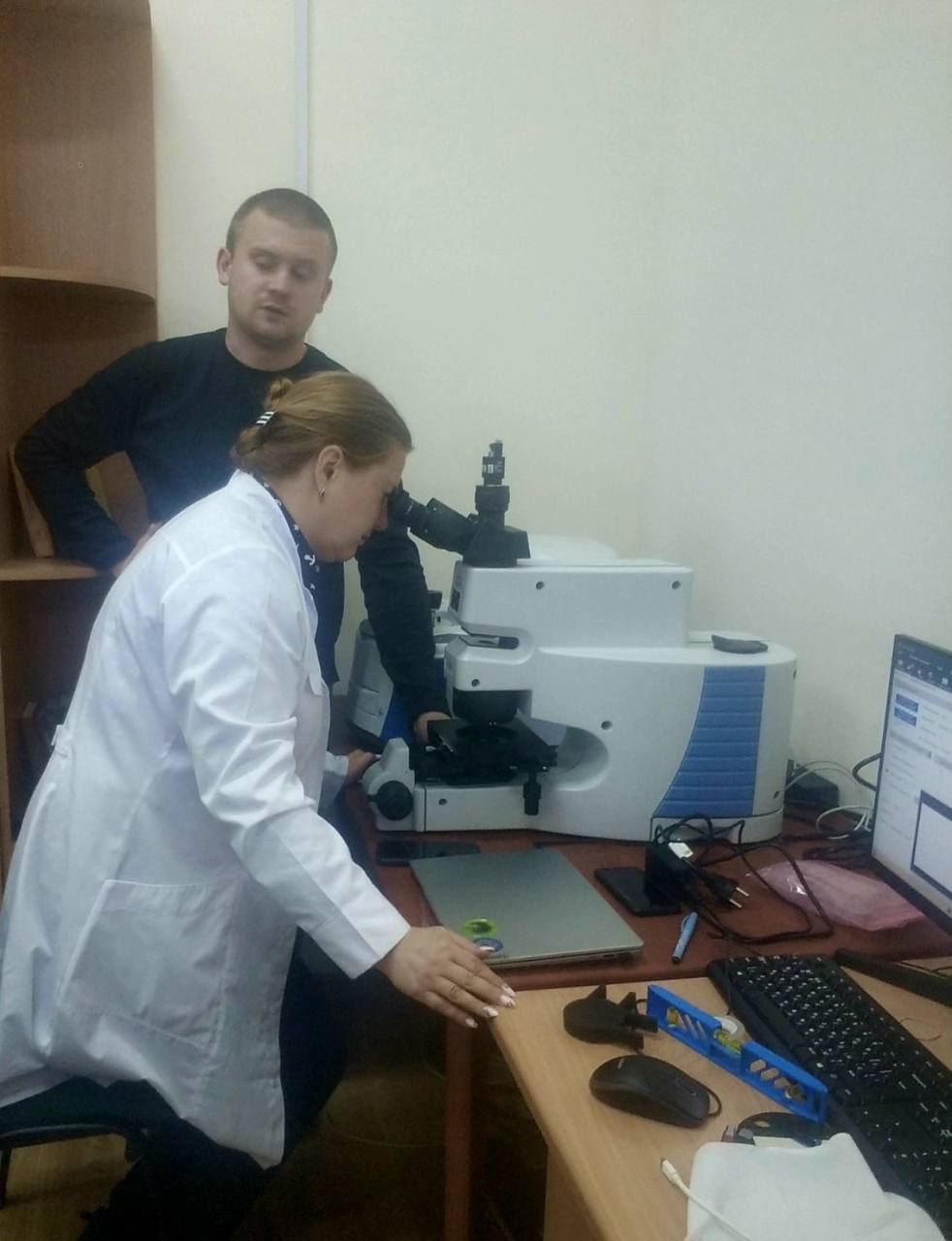
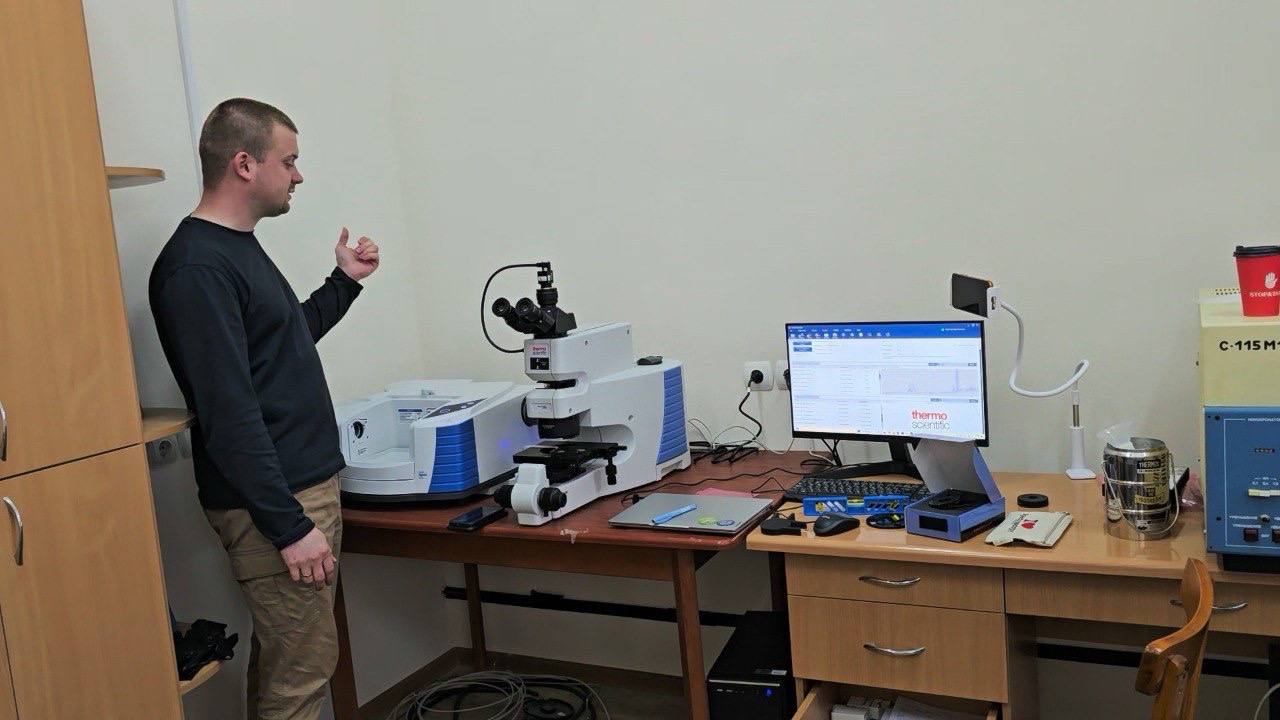
The laboratory has acquired a Nicolet iS20 Fourier-transform infrared (FTIR) spectrometer integrated with a Nicolet iN5 microscope manufactured by Thermo Fisher Scientific, along with OMNIC software, which enables the exclusive multi-component detection of substances, including pesticides, microplastics, and other environmental pollutants. The analytical system includes a database of relevant substances, the content of which is planned to be studied by students, graduate students, and staff of the Department of Ecology and Environmental Protection Technologies.
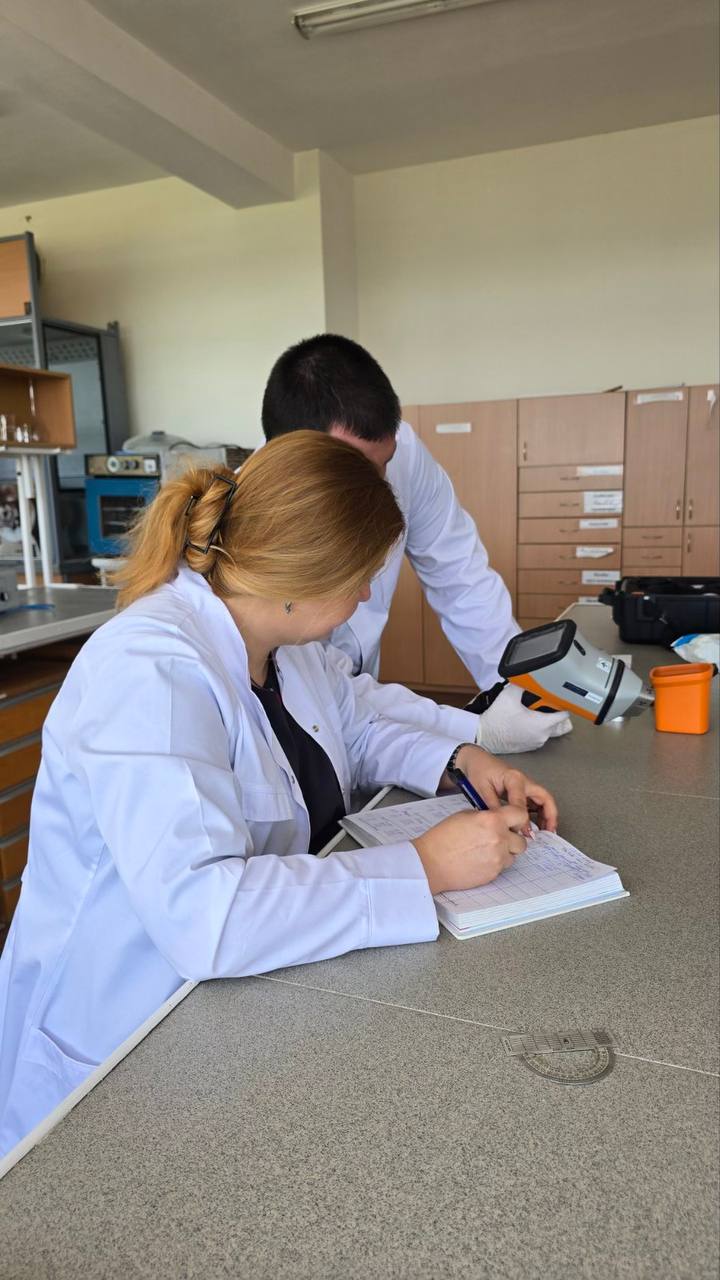
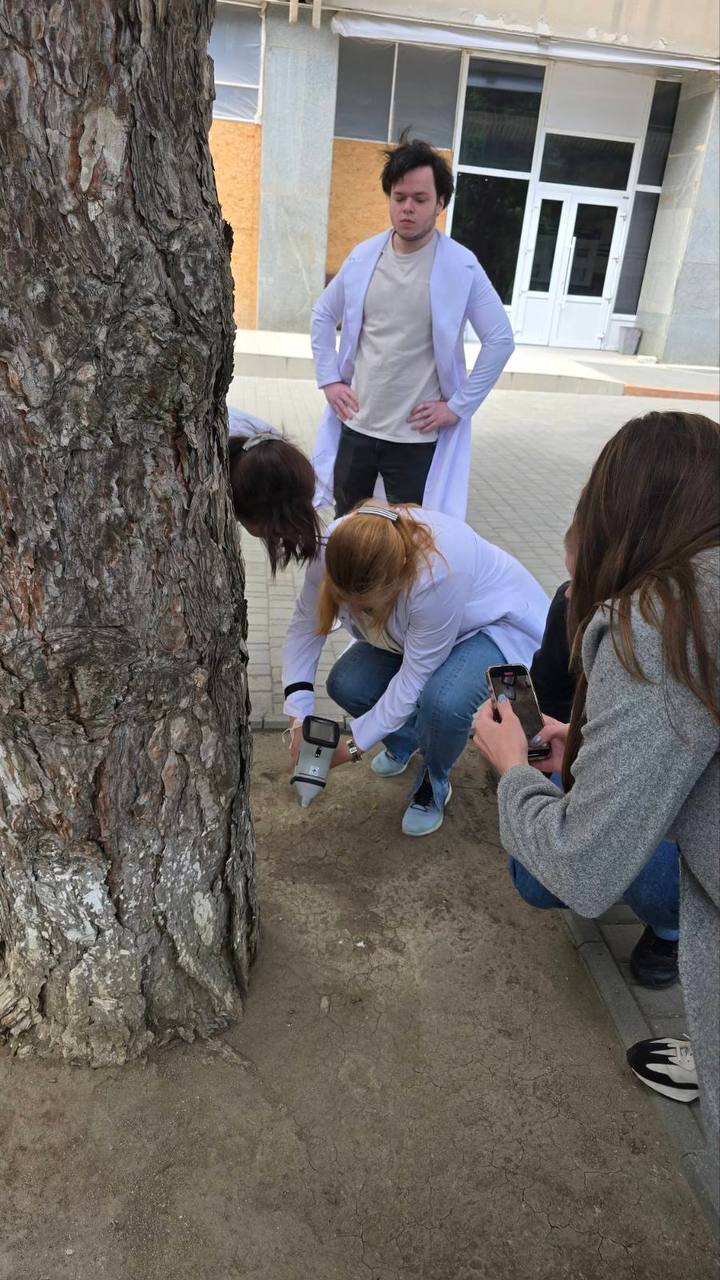
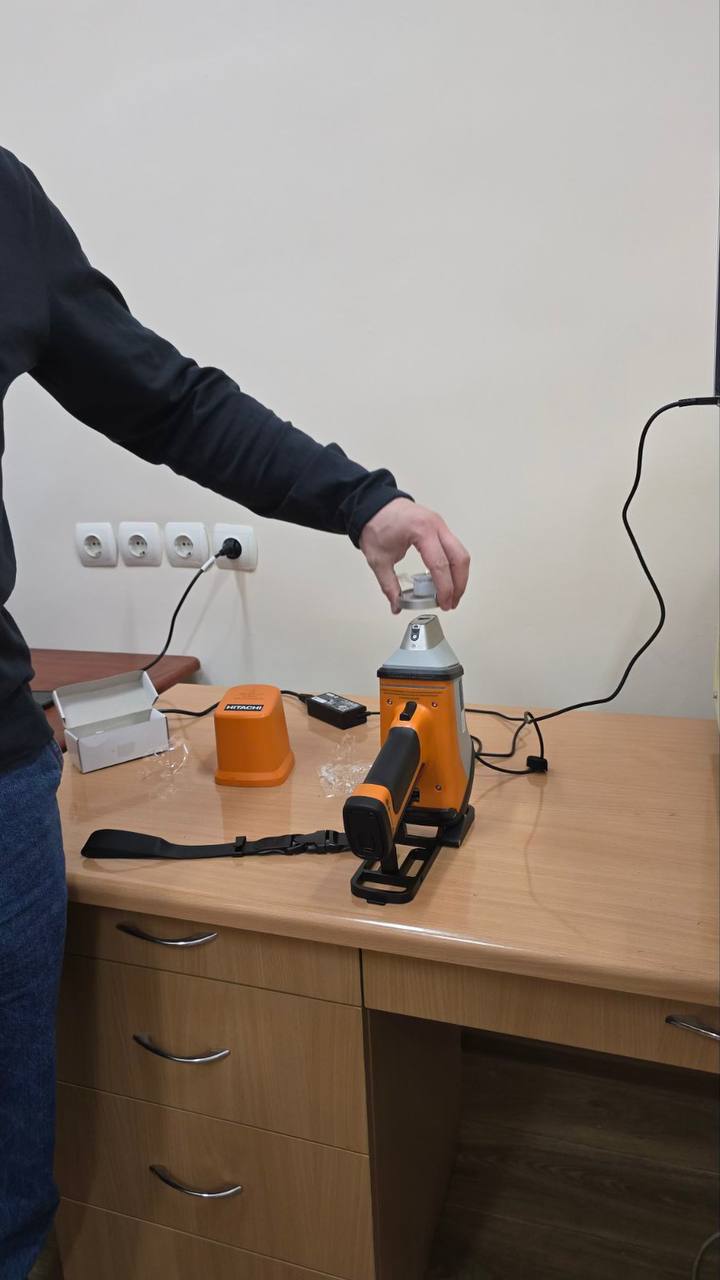
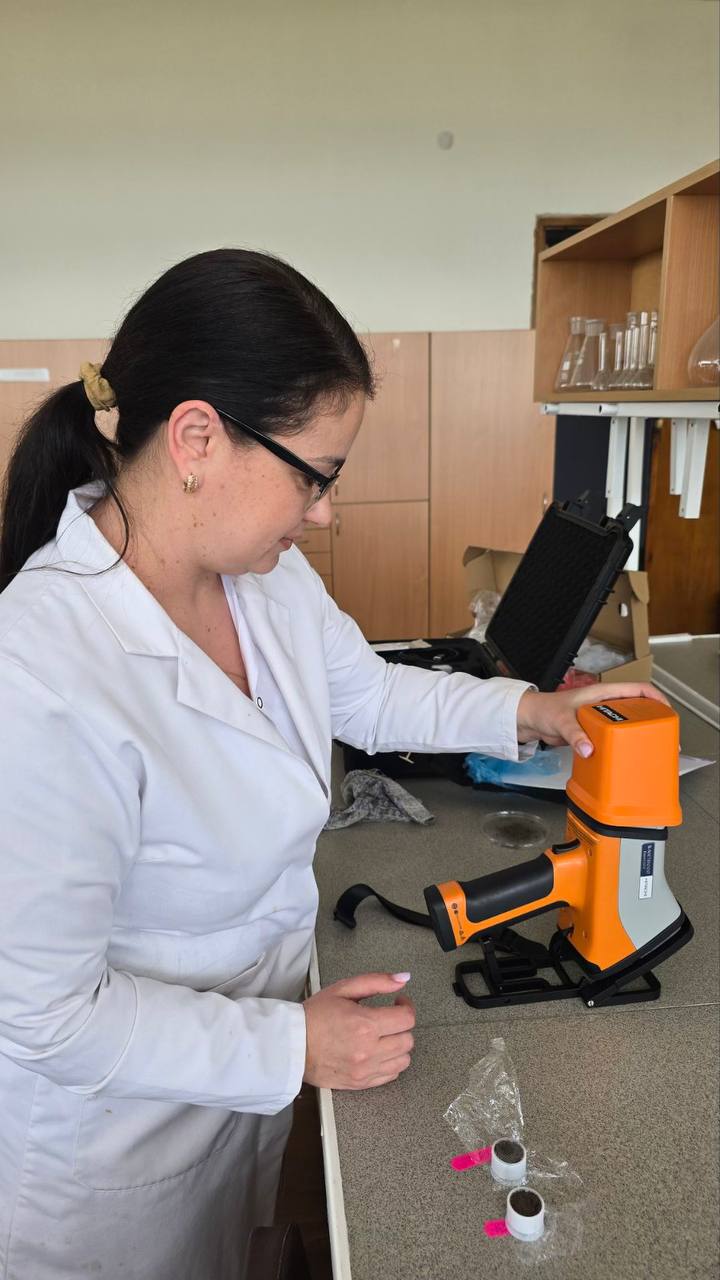
Another state-of-the-art research tool was also acquired for the laboratory as part of the project: the X-MET 8000 Expert Geo X-ray diffraction soil analyzer from Hitachi. The XRD analyzer enables the analysis of chemical elements in samples (from Mg to U, up to 40 elements, depending on the application). The software for this analyzer allows users to select analysis conditions, collect, view, and compare sample spectra, create custom reports, and perform custom empirical calibration using customer-provided standards for unique applications.
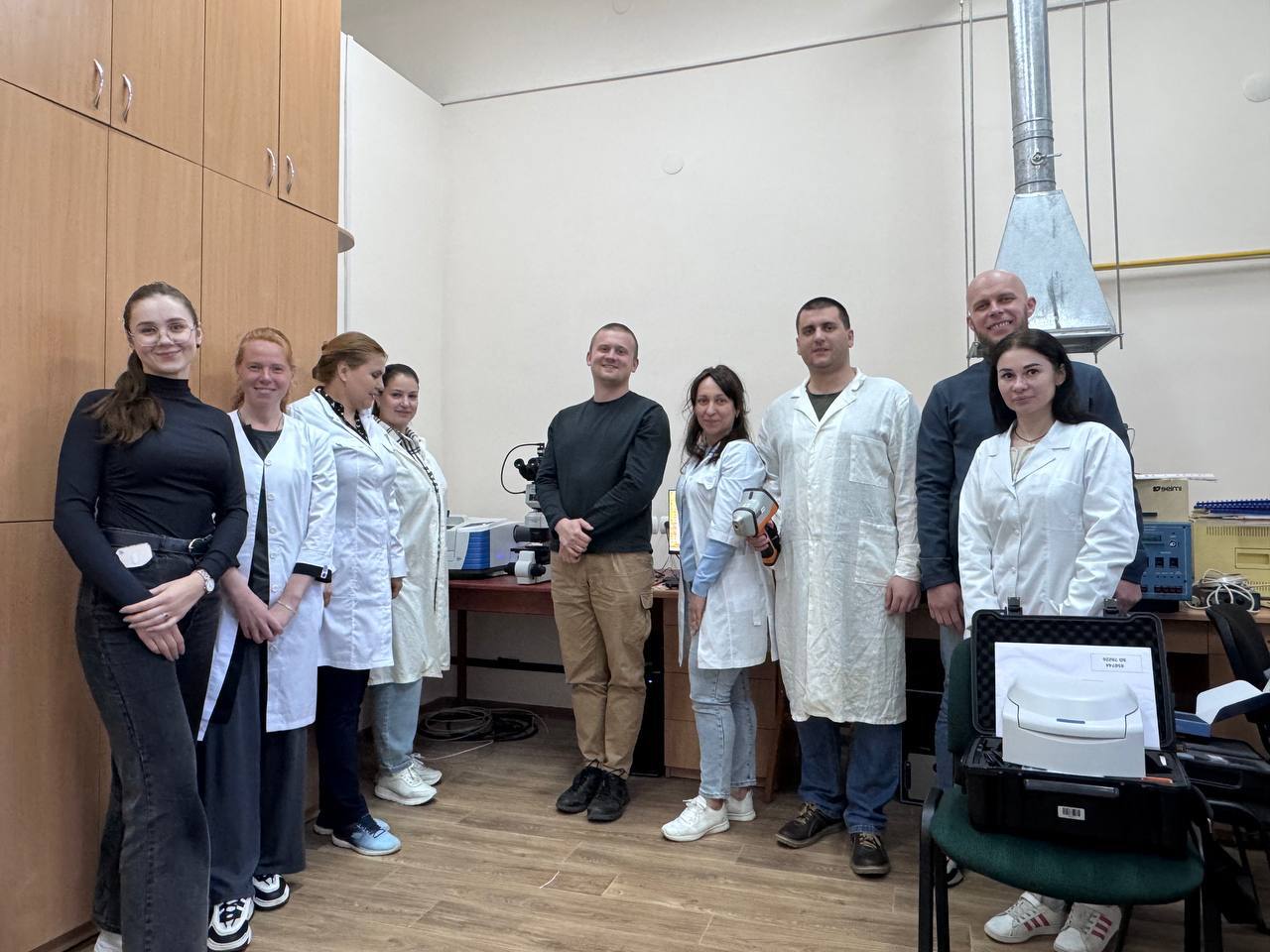
Throughout the spring of 2025, equipment was installed and commissioned, and training was conducted by representatives of the suppliers for graduate students and staff of the Department of Ecology and Environmental Technologies, together with the department chair, Professor Anna Grygorivna Trokhimenko, who is also the director of the Research Institute of Ecology and Energy Conservation.
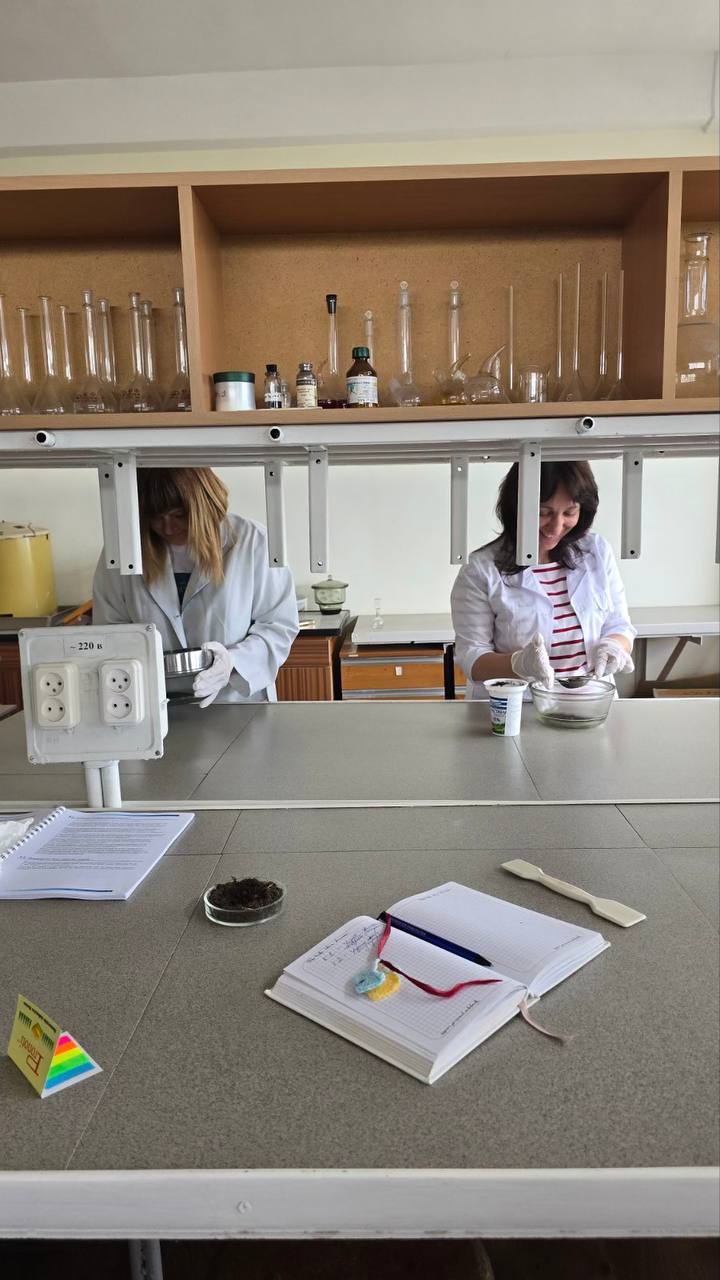
Today, these devices are already being actively used to test surface and drinking water for microplastics, and soil samples from the city of Mykolaiv and the surrounding region are also being analyzed.